


Products

Oxygen Generator
An oxygen generator is a device that uses the principle of pressure swing adsorption (PSA) or other technologies, such as membrane filtration, to separate oxygen from other gasses in the ambient air.
Features
Reliable Product Quality
All our workers are experienced and professional, they have strong cohesion, sense of responsibility and craftsmanship, which guarantee good and stable quality.
Professional Technical Team
Our R&D Team has independent developing ability of the hard & software unit of the product.
Wide Product Range
We produce oxygen concentrators from 1LPM-10LPM, which have been widely applied in homecare, hospitals, clinics, beauty salon, sports and high altitude area etc.
Excellent Customer Service
Each product has been strictly Quality Checked in warehouse before packing. One year warranty is provided for all models. If any problem or damage caused by us, we will solve it for you within 48 hours.
What is Oxygen Generator?
An oxygen generator is a device that uses the principle of pressure swing adsorption (PSA) or other technologies, such as membrane filtration, to separate oxygen from other gasses in the ambient air. Oxygen generators play a pivotal role in ensuring a steady and efficient supply of oxygen gas without the need for cumbersome gas cylinders or relying on external suppliers. This essential tool finds extensive applications in various industries, ranging from medical facilities to aerospace, and from wastewater treatment to industrial processes.
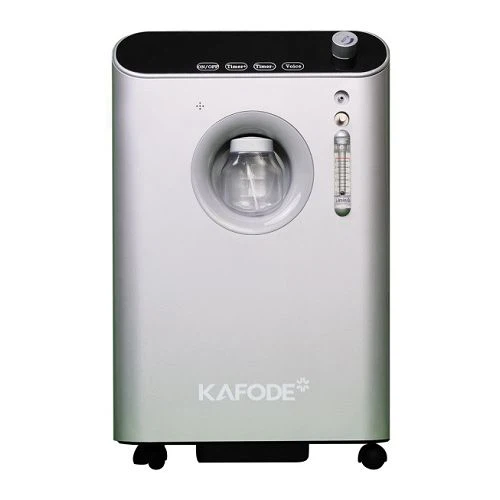
1. This product can be used for field work, especially in high altitude areas, and can be up to 4800 meters.
2. It consists of a compressor, filter, molecular sieve adsorption separation device, radiator, control system, flow control system, and so on.

Portable Oxygen Machine for Home
1. The oxygen flow could be adjusted from 1L-5L/min.
2. Although it is small in size, it has a very powerful kinetic energy and can provide you with a continuous flow of 5L of oxygen.
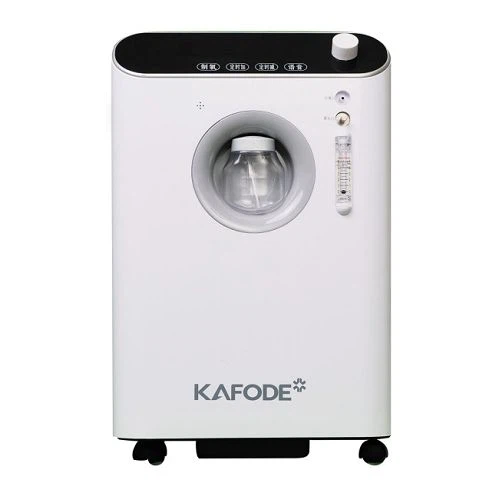
1. The KAFODE oxygen concentrator has FDA/CE approved certification.
2. Digital flowmeter adjustable. You can see the real-time oxygen concentration on the screen. The oxygen concentrator is reassuring to use.

1. KAFODE oxygen concentrator is a very cost-effective oxygen concentrator. Designed for the acquirement of high purity oxygen, it meets the needs of most customers to a great extent.
2. High bottom wheel design makes the machine convenient to move and carry.

1. Continuously provide 5L of medical-grade oxygen. It is equipped with a low oxygen concentration alarm function as standard. It is the first choice for the cost-effectiveness of safe oxygen therapy.
2. Advanced molecular sieve filling technology and cooling technology improve user experience.

KAFODE household oxygen generator is designed for the acquirement of high purity oxygen. Household oxygen concentrators have been widely used in some diseases as oxygen therapy. People can inhale oxygen at home. Oxygen concentrators have become the family partner for people's daily homecare.

1. Designed for the acquirement of high purity oxygen. Oxygen purity up to 96%.
2. O2 generator machine adopts pressure swing adsorption (PSA) physical technology to produce oxygen, it is safe and economical to use.

Portable Electric Oxygen Machine
1. KAFODE portable electric oxygen machine is designed for the acquirement of high purity oxygen for outdoor travel or activities.
2. Ultra quiet, small size and light weight.

1. KADODE oxygen concentrator 10 liter is designed for the acquirement of high purity oxygen.
2. With medical grade purity oxygen, better treatment effect for patients with pulmonary fibrosis.
3. Friendly design LCD display, simple operation and easy to read. Very convenient to use at home.
Advantages of Oxygen Generator
An oxygen generator will help you feel better.
With many respiratory-related diseases going undiagnosed and untreated these days, individuals are simply not living as well as they could – but an oxygen generator can help. Using supplemental oxygen at least 15 hours per day can help you stay more active, exercise longer, and reduce respiratory-related issues.
You'll get quality sleep.
Poor sleep is a common indicator of COPD or Sleep Apnea. Oxygen levels tend to drop vastly during periods of sleep - even in healthy individuals - which makes getting a good night of sleep that much tougher for those with respiratory concerns. An oxygen generator, sometimes used in conjunction with a CPAP device, can help you get better, more restful sleep.
Mood is often enhanced.
One tangible benefit to receiving oxygen therapy is enhanced mood. Those receiving oxygen sleep more soundly. They can also demonstrate better performance in their daily lives, a more positive outlook on life, better memory and cognition, and even a lift to their self-esteem.
You'll have greater stamina when exercising.
Working out, whether that means going to the gym, walking around the neighborhood, or anywhere in between, is often difficult for those with respiratory concerns. An oxygen generator can help you work out harder and longer, enhancing the already considerable health benefits of regular exercise.
You'll be more alert.
If you constantly wake up feeling like you're in a fog or you're walking through life in a haze, you may not be getting enough oxygen throughout the night or even during the day. Using an oxygen generator can make you more alert, more responsive, and better able to react quickly to the demands of the day.
You'll minimize your risk of hypoxemia.
Hypoxemia is a lack of oxygen in the blood. This condition is characterized by shortness of breath, asthmatic-type symptoms, and even a slight bluish tinge to the skin. While the condition can lead to serious health issues, consistent use of an oxygen generator can minimize these frustrating and dangerous side effects.
Types of Oxygen Generator
Pressure Swing Adsorption Oxygen Generator
Pressure Swing Adsorption (PSA) Oxygen Generators leverage a technology that uses a molecular sieve to absorb nitrogen from the air under high pressure, isolating oxygen as the primary product. These generators are known for their efficiency, producing high-purity oxygen, typically up to 95% or higher, making them ideal for medical and industrial applications that require high-quality oxygen. The PSA process is highly reliable and can be designed to offer a continuous supply of oxygen, catering to demands ranging from small-scale laboratory settings to large-scale industrial environments.
Membrane Oxygen Generator
Membrane Oxygen Generators operate by passing air through a selectively permeable membrane, which differentiates gasses based on their molecular size and solubility. Oxygen passes through the membrane more easily than nitrogen, allowing for the collection of enriched oxygen on the permeate side. This type of generator is valued for its simplicity, lower energy consumption, and lower maintenance requirements, making it suitable for applications where slightly lower oxygen purity (typically 30-40%) is acceptable.
Chemical Oxygen Generator
Chemical Oxygen Generators produce oxygen through a chemical reaction that releases oxygen from a chemical compound. They do not require electricity to operate, making them indispensable in situations where power is unavailable, such as underwater or in emergency life-support systems in aircraft and submarines. The oxygen purity produced by chemical generators can be very high, but they are generally used for short-term applications due to the finite amount of chemical source material and the need to replace or replenish it after use.
Application of Oxygen Generator


Bulk Medical Grade Oxygen
Medical grade oxygen used in hospitals or for home health care is certified to meet the United States Pharmacopeia (USP) XXII Oxygen 93% Monograph. USP requirements are the oxygen level is between 90 and 96% pure with the remainder made up of argon and hydrogen. No more than 300ppm of CO2 or any other gases or molecules are allowed.
Portable Breathing Oxygen
The International Space Station, submarines and SCUBA divers all rely on oxygen generators to produce breathable air. Because they are closed systems, each work in conjunction with carbon dioxide "scrubbers" to remove the CO2 while bringing the oxygen level back to 20.9% oxygenated air.
Fish farms & Aquaculture
Like humans, fish and other marine animals required oxygen to survive. With the prevalence of fish farms, the "farmers" must insure their livestock gets proper oxygen to survive. Before fish farming was done on an industrial scale, the farmers would fence off an area of water at the edge of a lake to raise their catch. With industrial oxygen generators, farmers now have the ability to raise fish in man-made pools of oxygenated water. The benefit to the farmer is higher stock densities in a smaller area and faster fish growth.
Sewage and Waste Water Treatment
In waste water treatment plants oxygen generators are used to provide additional oxygen to the bacteria that enable biodegradation to occur. The bacteria break down the sludge into CO2 and water faster if supplemental oxygen is added during the process.
Steel Industry
Industrial oxygen generators are used in the steel manufacturing process in several ways. Oxygen furnaces are used for decarburization, the process of decreasing the carbon in the metals while in a molten state. Oxygen is also used to increase the melting rates in the furnaces and reduces scaling when reheating furnaces.
Gold Mining
Mines that extract gold on an industrial scale use oxygen generators during the cyanide leaching process. A sodium-cyanide solution is mixed into crushed gold-bearing rocks along with oxygen to release the gold from the rock.
Welding
Oxyacetylene cutting and welding of metals use liquid fuel and oxygen to increase the flame temperature so that the metal is melted at the point of the welding tip. This melting can be used to weld or to cut the metal.
Glass Blowing
Like welding, glass blowing requires high levels of heat to melt the glass. Oxygen is used to increase the temperature of the flames both in ovens and for torches used to shape the glass pieces.
Pulp and Paper Manufacturing
Delignification is the process of extracting lignin from the plant material in one of the steps required to make paper from trees. Large amounts of oxygen are required in this process, as well as several other later steps in pulp and paper manufacturing.
Cannula
The nasal cannula is the thin tube inserted into the nose that delivers airflow, while the other end of the tube is connected to oxygen supply, such as a portable or home oxygen generator.
Tubing
With soft plastic, the tube is connected to the nasal cannula or a mask and allows the oxygen to flow from the oxygen generator to your nose.
Motor Mounts
A motor mount is a piece of metal that is able to withstand force and torque generated by the operation of the oxygen generator. A piece of rubber is used to absorb and dampen the vibrations that the motor produces.
Compressors
These are the oxygen generator parts that have two cylinders filled with zeolite pellets, a pressure equalizing reservoir, valves, and tubes. The compressor forces air into the storage tank that increases air pressure and allows for patients to set their air flow.
Humidifier Bottles
These pieces attach to oxygen generators to moisten the air. It warms the oxygen and mixes it with water to do so.
Capacitors
Similar to a battery, a capacitor stores and releases electrical energy. These oxygen generator parts have two conductors and an insulator between them.
The Cooling Fan
There are AC axial and DC axial fans. DC axial fans use direct current, only moving in one direction. These kinds of cooling fans have a longer life span than AC axial fans and are more affordable. AC axial fans use alternating current changes and can change their direction quickly. They both consist of motors and bearings.
The Power Button
They typically stay illuminated so you can tell if the machine is switched in the on or the off position.
Gross-Particle Air Filter
These oxygen generator parts look like a sponge or a mesh screen and can be found on the side or the back of the unit. The concentrator sends the ambient air through a filtration process to produce medical grade oxygen. The ambient air is pumped into the first cylinder, where the very first process where the separating of nitrogen begins taking place. The first chamber then pumps the air into the second cylinder for further refinement.
Oxygen Generator Vs. Oxygen Concentrator: What's the Difference?
Oxygen Generators and Oxygen Concentrators serve the crucial purpose of supplying oxygen, but they differ significantly in scale, application, and technology. They are primarily used in industrial settings due to their capacity for large-scale oxygen production. Their robust design and efficiency make them suitable for applications that demand a continuous, high-volume supply of oxygen, such as manufacturing processes, water treatment, and large medical facilities. The PSA process allows Oxygen Generators to efficiently produce oxygen by filtering nitrogen and other gasses from the air, an operation suited for environments where a dependable source of oxygen is essential for ongoing operations.
On the other hand, Oxygen Concentrators are designed for medical use, providing a portable or stationary source of oxygen for individuals requiring enhanced oxygen levels for therapeutic benefits. These devices are considerably smaller than their industrial counterparts and work by drawing in room air, removing nitrogen through a filter or membrane, and delivering concentrated oxygen, typically around 90-95% purity, directly to the user via a nasal cannula or mask.
Unlike Oxygen Generators, which are built for continuous operation and high output, Oxygen Concentrators are tailored for individual use. They offer a compact, low-maintenance alternative to traditional oxygen tanks. Their portability and ease of use make them especially beneficial for patients with chronic respiratory conditions who lead active lifestyles, allowing for enhanced mobility without the need for frequent refills or replacements.
Some people who are prescribed oxygen machines worry that their electricity bill will go up drastically as a result of continuous use. How many watts does an oxygen generator use? It depends on the type of machine you have. Stationary concentrators must be powered by a wall outlet, so they tend to use a lot of power. However, portable machines are smaller, so they don't use as much electricity. Some can also be powered by a rechargeable battery or the cigarette lighter socket in your car. And some can charge and run at the same time when on DC power. A small oxygenator may use up to 120 watts, while a big, powerful option can deliver up to ten liters per minute with an average use of 590 watts.
How Does an Oxygen Generator Work?
Taking air from the area
First, the ambient air, or the air within an area, that passes through the device's filters, is attracted by the compressor.
Compresses the oxygen
The air is then compressed in one of the two molecular sieve beds while all of the Nitrogen is absorbed. Sieve beds can absorb large amounts of Nitrogen and are to be changed only by professionals when they become overly saturated or damaged.
The concentration comes up with up to 95% of oxygen through the process. It will then be ready to supply the patient using an oxygen mask or nasal cannula.
Separates nitrogen from oxygen
As the first sieve gets saturated, the switch valve will then put the action to the second sieve bed to continue the process. The Nitrogen on the saturated molecular sieve bed will then be vented out of the machine, while the remaining is to be removed through back-flushing from the other sieve bed.
Adjusts the flow of oxygen as it is being delivered
After this, the switch valve will switch to the first sieve bed once again when the second sieve bed nears its saturation. It is all a repeating process, and the purpose of this is to ensure a continuous flow of oxygen inside. This is called Pressure Swing Absorption (PSA).
Delivers oxygen to the patient
Once the oxygen is ready to be let out, the flowmeter controls the flow. The set liter per minute depends on what the patient needs. For example, patients with asthma require more than 6 liters per minute, while COVID patients need an oxygen flow of at least 5 liters per minute.
7 Tips for Maintaining Oxygen Generator Safety
Maintain safe distances from open flames or fires.
While sitting near a bonfire making smores is an enjoyable way to spend a summer night, there are certainly other ways to get your chocolate fix! Fire poses a hazard around oxygen. Always maintain at least two meters between a fire and your portable oxygen generator and accessories.
Use precaution when showering or bathing.
For your safety, it's crucial that your portable oxygen generator does not get wet or be exposed to moist air. However, depending on your specific needs, you may find that you'll need to take a shower or bathe while using your unit. A bathroom exhaust fan, extended tubing leading to your cannula and a detachable showerhead will all make this experience easier – and safer – for you.
Maintain safe distances from pools and other bodies of water – and keep an eye on the sky!
As with the previous portable oxygen generator safety tip, it's important that you prevent your unit from getting wet. Hazards might include a hug from a grandkid straight out of the pool or being caught in a light summer shower while on an evening stroll. If your portable oxygen generator gets wet, you must turn off the unit and unplug it immediately.
Avoid smoking while on or near a portable oxygen generator.
Smoking during oxygen therapy is dangerous-and will likely result in injury! You must not allow smoking in the same room with the portable oxygen generator or where any oxygen carrying accessories are located. If you intend to smoke, you must always turn the oxygen generator off, remove your cannula and move to a different room, leaving the unit behind. If you're unable to leave the room, you must wait at least 10 minutes after you've turned the portable oxygen generator off before smoking.
Avoid aerosol products.
It is important that you avoid aerosol products while using your portable oxygen generator. This includes hairsprays, many body sprays, and even some air fresheners. Aerosol products are highly flammable.
Properly store your portable oxygen generator when you're on the go.
Yes, your portable oxygen generator allows you to be mobile! But, whether you're traveling by plane, train or automobile, you must ensure your unit is securely stored. This will help you avoid injuring yourself or passengers, as well as prevent damage to the machine. Dropping a portable oxygen generator – or allowing it to fall off of a seat or overhead carrying cabinet – can void your warranty!
Do not block intake vents.
One last portable oxygen generator safety tip to remember relates to the intake vents. As you can imagine, any blockage of the vents can inhibit performance, whether it's baggy clothing or a carry bag that's been shifted to an incorrect position on the machine. It's important to keep an eye on this as you use your unit day to day.
Our Factory

Zhejiang Xikang Medical Equipment Co., Ltd is a leading manufacturer specialized in oxygen solutions. Our R&D Team has independent developing ability of the hard & software unit of the product. We produce oxygen concentrators from 1LPM-10LPM, which have been widely applied in homecare, hospitals, clinics, beauty salon, sports and high altitude area etc.
Ultimate FAQ Guide to Oxygen Generator
Hot Tags: oxygen generator, China oxygen generator manufacturers, suppliers, factory,, O2 Concentrator Machine, Small Oxygen Machine for Home, Oxygen Machine 10 Liter, Portable Oxygen Nebulizer, Portable Medical Oxygen Concentrator, Oxygen Making Machine for Home
You Might Also Like


Send Inquiry
