


Products

Portable Oxygen Nebulizer
A portable oxygen nebulizer is a compact, portable medical equipment that breaks down drugs into tiny droplets that may be inhaled through a mask or mouthpiece using pressurised air, oxygen, or ultrasonic power.
Features
Reliable Product Quality
All our workers are experienced and professional, they have strong cohesion, sense of responsibility and craftsmanship, which guarantee good and stable quality.
Professional Technical Team
Our R&D Team has independent developing ability of the hard & software unit of the product.
Wide Product Range
We produce oxygen concentrators from 1LPM-10LPM, which have been widely applied in homecare, hospitals, clinics, beauty salon, sports and high altitude area etc.
Excellent Customer Service
Each product has been strictly Quality Checked in warehouse before packing. One year warranty is provided for all models. If any problem or damage caused by us, we will solve it for you within 48 hours.
What is Portable Oxygen Nebulizer?
A portable oxygen nebulizer is a compact, portable medical equipment that breaks down drugs into tiny droplets that may be inhaled through a mask or mouthpiece using pressurised air, oxygen, or ultrasonic power. Because they can target the respiratory system and send medicines directly to the lungs, nebulizers are frequently used to provide medicines to patients with respiratory diseases, lung disease, or other breathing difficulties. Nebulizers are suitable for both toddlers and adults, and come in a variety of shapes and sizes to suit the patient's needs.
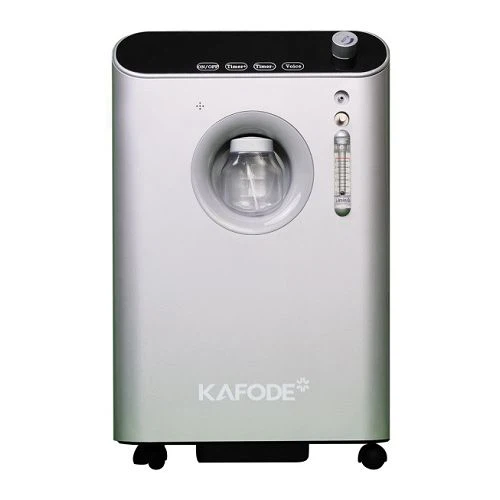
1. This product can be used for field work, especially in high altitude areas, and can be up to 4800 meters.
2. It consists of a compressor, filter, molecular sieve adsorption separation device, radiator, control system, flow control system, and so on.

Portable Oxygen Machine for Home
1. The oxygen flow could be adjusted from 1L-5L/min.
2. Although it is small in size, it has a very powerful kinetic energy and can provide you with a continuous flow of 5L of oxygen.
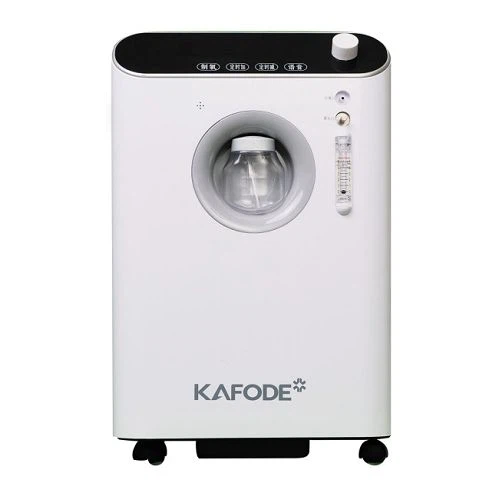
1. The KAFODE oxygen concentrator has FDA/CE approved certification.
2. Digital flowmeter adjustable. You can see the real-time oxygen concentration on the screen. The oxygen concentrator is reassuring to use.

1. KAFODE oxygen concentrator is a very cost-effective oxygen concentrator. Designed for the acquirement of high purity oxygen, it meets the needs of most customers to a great extent.
2. High bottom wheel design makes the machine convenient to move and carry.

1. Continuously provide 5L of medical-grade oxygen. It is equipped with a low oxygen concentration alarm function as standard. It is the first choice for the cost-effectiveness of safe oxygen therapy.
2. Advanced molecular sieve filling technology and cooling technology improve user experience.

Household oxygen generator is designed for the acquirement of high purity oxygen. Household oxygen concentrators have been widely used in some diseases as oxygen therapy. People can inhale oxygen at home. Oxygen concentrators have become the family partner for people's daily homecare.

1. Designed for the acquirement of high purity oxygen. Oxygen purity up to 96%.
2. O2 generator machine adopts pressure swing adsorption (PSA) physical technology to produce oxygen, it is safe and economical to use.

Portable Electric Oxygen Machine
1. KAFODE portable electric oxygen machine is designed for the acquirement of high purity oxygen for outdoor travel or activities.
2. Ultra quiet, small size and light weight.

1. Oxygen concentrator 10 liter is designed for the acquirement of high purity oxygen.
2. With medical grade purity oxygen, better treatment effect for patients with pulmonary fibrosis.
3. Friendly design LCD display, simple operation and easy to read. Very convenient to use at home.
Advantages of Portable Oxygen Nebulizer
● Convenience: Portable oxygen nebulizers allow you to administer medication for respiratory conditions wherever and whenever you need it, making treatment more convenient and accessible.
● Portability: These devices are compact and lightweight, making them easy to carry and use on the go. You can take them to work, school, travel, or outdoor activities.
● Independence: With a portable oxygen nebulizer, you can manage your respiratory condition independently without relying on frequent visits to healthcare facilities.
● Immediate relief: Nebulizers provide rapid relief by delivering medication directly to the lungs, which can be particularly beneficial during asthma attacks or sudden breathing difficulties.
● Efficient drug delivery: Nebulizers convert liquid medication into a fine mist, ensuring optimal drug delivery to the respiratory system for maximum effectiveness.
● Enhanced medication absorption: The fine mist generated by nebulizers can reach deep into the lungs, ensuring that the medication is effectively absorbed by the respiratory tissues.
● Customizable treatments: Portable nebulizers often offer adjustable settings, allowing you to personalize the treatment according to your specific needs and prescription.
● Suitable for all ages: Portable nebulizers are suitable for people of all ages, including infants, children, adults, and the elderly, making them a versatile solution for the whole family.
● User-friendly operation: Most portable oxygen nebulizers are designed for easy operation, with intuitive controls and simple assembly, making them accessible to individuals with limited dexterity or cognitive abilities.
● Reduced wastage: Nebulizers provide efficient delivery of medication, minimizing wastage compared to other delivery methods such as inhalers or sprays.
● Versatile medication compatibility: Portable oxygen nebulizers can administer a wide range of respiratory medications, including bronchodilators, corticosteroids, and mucolytic, ensuring compatibility with various treatment plans.
● Silent operation: Many portable oxygen nebulizers operate silently or produce minimal noise, allowing for discreet use in public or during nighttime treatments without causing disturbance.
● Easy maintenance: Portable oxygen nebulizers are generally easy to clean and maintain, requiring simple routine care to ensure optimal performance and longevity.
● Battery-powered options: Some portable oxygen nebulizers are equipped with rechargeable batteries or can be powered by standard batteries, ensuring uninterrupted treatments even in situations without electrical outlets.
● Emergency preparedness: Owning a portable oxygen nebulizer machine enables individuals with respiratory conditions to be prepared for emergencies or sudden exacerbations, providing peace of mind and potentially life-saving support.
● Travel-friendly: Portable oxygen nebulizers are designed to be travel-friendly, allowing you to continue treatments while on vacation or away from home.
● Monitoring capabilities: Some portable oxygen nebulizers come with features such as data tracking and monitoring, allowing you to keep track of your treatment progress.
● Cost-effective: Owning a portable oxygen nebulizer can be cost-effective in the long run, as it reduces the need for frequent visits to healthcare facilities for nebulization treatments.
● Improved quality of life: By providing quick relief and accessible treatment options, portable oxygen nebulizer machines can significantly improve the quality of life for individuals with respiratory conditions.
Types of Portable Oxygen Nebulizer
Jet Nebulizers
Jet nebulizers are the most commonly prescribed because they are easy to use and inexpensive. These devices have a small plastic cup with an attached mouthpiece where the liquid medicine is placed. The mouthpiece is connected by plastic tubing to a motorized machine that provides a stream of compressed air. The air flows into the tubes, passes through the cup, and the medication is converted to a fine mist that can then be breathed into the lungs.
Ultrasonic Nebulizers
Ultrasonic nebulizers use ultrasonic waves to aerosolize asthma medication. They deliver treatment significantly faster than jet nebulizers and do not require mixing saline with your asthma medication. Since they do not require a compressor, ultrasonic nebulizers are much more compact. They can be operated by battery, which makes them more portable.
Mesh Nebulizers
Mesh nebulizers vibrate a small mesh membrane at very high speeds. As liquid medication is forced through tiny holes in the mesh, an aerosol is produced. Mesh nebulizers are the fastest and most expensive of the nebulizers. Like ultrasonic nebulizers, battery-operated models are available, making these portable nebulizers very convenient.
People with Chronic Respiratory Conditions
Asthma: For those experiencing asthma attacks, portable oxygen nebulizers can deliver quick-acting bronchodilator medications to relax tightened airways, easing breathing difficulties.
Chronic Obstructive Pulmonary Disease (COPD): COPD is a progressive lung disease that makes breathing difficult. Nebulized medication can help manage symptoms like wheezing, shortness of breath, and chest tightness.
Cystic Fibrosis: This genetic condition affects the lungs and digestive system. Nebulizers can deliver medications to thin mucus buildup in the lungs, making breathing easier and preventing infections.
Bronchiectasis: This condition causes abnormal widening of airways, leading to mucus buildup and infections. Nebulized antibiotics and mucus-thinning medications can help manage symptoms.
Those Experiencing Acute Respiratory Issues
Bronchitis: Acute bronchitis can cause inflammation of the airways, leading to coughing and difficulty breathing. Nebulized medications can help reduce inflammation and ease coughing.
Pneumonia: This lung infection can be life-threatening. Nebulized antibiotics can deliver medication directly to the site of infection for faster and more effective treatment.
RSV (Respiratory Syncytial Virus): This common respiratory virus can be particularly severe in infants. Nebulized medications can help ease congestion and breathing difficulties.
Other Potential Uses
In addition to the conditions mentioned above, portable oxygen nebulizers can sometimes be used to deliver:
Pain medication for post-surgical pain relief.
Anti-inflammatory medications for certain lung conditions.
How Does a Portable Oxygen Nebulizer Work?
A portable oxygen nebulizer functions by converting liquid medication into a fine mist through a process called nebulization. This mist can then be inhaled directly into the lungs, delivering the medication where it is needed most. portable oxygen nebulizers are commonly used to administer bronchodilators, corticosteroids, and other respiratory medications.
The nebulization process starts with a liquid medication, which is placed in a portable oxygen nebulizer cup. The cup is then attached to the portable oxygen nebulizer, and compressed air or ultrasonic vibrations are used to break up the medication into tiny droplets. These droplets are so small that they can easily be inhaled into the respiratory system.
One of the advantages of using a portable oxygen nebulizer is that it allows for targeted drug delivery. The medication is delivered directly to the lungs, bypassing the digestive system, which can lead to faster and more effective results. This is particularly beneficial for individuals with conditions such as asthma or chronic bronchitis.
Portable oxygen nebulizers come in different types, including jet oxygen nebulizers and ultrasonic oxygen nebulizers. Jet oxygen nebulizers use compressed air to create the mist, while ultrasonic oxygen nebulizers use high-frequency vibrations. Both types are effective in delivering medication, and the choice depends on the specific needs of the individual.
Portable oxygen nebulizers have significantly improved the management of respiratory conditions, providing a convenient and efficient way to administer medication. They are particularly useful for young children or individuals who have difficulty using inhalers or other traditional methods of medication delivery.
Important Considerations Before Using a Portable Oxygen Nebulizer


Determining Treatment Suitability
Not all respiratory conditions benefit from nebulized medication. Your doctor can assess your specific condition and determine if a portable oxygen nebulizer is the most effective treatment option for you.
Medication Selection
Different respiratory conditions require different medications. Your doctor will prescribe the medication best suited for your needs and ensure it's compatible for use with a nebulizer.
Dosage and Treatment Regimen
The appropriate dosage and treatment schedule for nebulized medication can vary depending on your condition and its severity. Your doctor will provide specific instructions on how much medication to use and how often to administer treatments.
Proper Use and Cleaning Techniques
Portable oxygen nebulizers require proper use and cleaning to ensure optimal performance and prevent the growth of bacteria. Your doctor can teach you the correct way to use your nebulizer, including attaching the mask or mouthpiece, filling the medication cup, and operating the different modes. They can also instruct you on proper cleaning techniques to maintain hygiene and prevent contamination.
Potential Side Effects
Like any medication, nebulized medications can have side effects. Your doctor can discuss the potential side effects of the prescribed medication and advise you on what to watch out for.
Underlying Medical Conditions
If you have any underlying medical conditions, such as heart disease or diabetes, it's important to inform your doctor before using a portable oxygen nebulizer.
Pregnancy and Breastfeeding
If you are pregnant or breastfeeding, discuss the use of a portable oxygen nebulizer with your doctor to ensure the safety of both you and your baby.
Allergies
If you have any allergies, especially to medications or materials used in nebulizers, let your doctor know beforehand.
How to Use a Portable Oxygen Nebulizer Correctly
Purchase the Right portable oxygen nebulizer
It is essential that you choose the right model of portable oxygen nebulizer for your needs. You don't want to rush into this and buy one only to find out there is a better product out there, perhaps with more features or less expensive.
Make Sure the Battery Has Enough Power Before Use
Before using the portable oxygen nebulizer, make sure that the battery has a full charge. It is also important to know if the portable oxygen nebulizer is charged before you decide to use it so that it does not die on you at an inopportune moment, and you end up having to rush to find your charger.
Put in the Medicine and Prepare the Device for Use
Before powering on the device, go ahead and put in the medicine. Then, continue by putting the tube of the rechargeable portable oxygen nebulizer into your mouth. Make sure that you have a firm grip on the tube so that all of the medicine goes into your lungs and does not leak out. If you feel like pressure is being put on a particular part of the tubing, you will increase the chances of running into issues doing your treatment.
Turn on the Nebulizer
Now that the medicine is all ready to go, it's time to power on your rechargeable portable oxygen nebulizer. It may take some time for the device to warm up, so make sure you give it enough time before making a call and putting pressure on it. While you're at it, do an additional check on the battery life. Be confident that the device is ready to go.
Properly Position Your Thumb to Inhale the Medicine
It is vital to hold the device properly. To do this, your thumb should be placed on the power switch, and your finger should rest on the trigger of the nebulizer. Your index finger should always be on top of the tube to help stabilize it. Ensure that the device is entirely stable to avoid any potential problems when it comes time to inhale.
Inhale Deeply & Strongly
To inhale the medicine correctly, you have to do so deeply and powerfully. The process will go much more smoothly if you can inhale all of the medicine from the tube into your lungs. Simply place your lips over the end of the tube and press down on the trigger as you breathe in through your nose. It would help if you tried to mimic the act of snoring deeply.
Keep Your Thumb on the Tube for Five Seconds
Once the medicine has been wholly inhaled, continue to keep your thumb over the tube. Make sure that five seconds pass before removing your thumb from the tube so that there is no medicine leaking out of it. As you do this, hold your breath in for a few more seconds and then gently blow some air into the nebulizer by moving your mouth. This will help you flush out the medicine in the tubes of the nebulizer. The idea here is to make sure that you inhaled all of the medicine. Some people will recommend holding your breath for up to 30 seconds to ensure this.
Check to Make Sure Mist Appears
If you did everything right, a mist should start appearing as soon as five seconds after you release your thumb. This is the best indication that the medicine was inhaled successfully and was able to go where it needed to treat your symptoms. If you did not notice any medicine, it could be because the battery was low, you did something wrong, and so on.
Repeat Steps 2 - 6 For Additional Doses
As you continue to use your portable oxygen nebulizer, remember to follow the same steps each time. It's essential to take only as much medicine as you need not to experience any adverse side effects, such as an upset stomach.
Portable Oxygen Nebulizer Care: Tips on How to Store and Maintain Your Device
Consult the User Manual
The first step is to consult the user manual that came with your nebulizer. Each device has specific instructions on how it should be stored and cleaned. Make sure you follow these guidelines so you don't damage your machine! Although general tips can apply to just about any mini portable oxygen nebulizer, it's a good idea to read the manual and get more specific instructions. Don't throw out that box to ensure you have all of the care information for your portable oxygen nebulizer! Keep it stored away so you can refer back to it if necessary.
Keep it Clean
The second tip is to keep your portable oxygen nebulizer clean! A portable silent nebulizer should be cleaned regularly as per the instructions in your user manual. You can also wipe down parts of the device with a disinfectant wipe, especially if you use it often or have been sick recently. It's vital that you don't forget to clean the tubing since this is where bacteria can grow. It's wise to get in the habit of cleaning your portable oxygen nebulizer before and after each use so you know it will be safe for your next treatment session! This also ensures that no one else has used it without proper sanitization.
Keep it Dry
Another tip for portable oxygen nebulizer care is to make sure your device stays dry. If water gets inside the tubing, you might hear gurgling when you turn on your machine, which can damage or clog up the tube. Worst of all, it can turn into mold. To avoid that from happening, open up all of the compartments before you clean them off and make sure that they are completely dry after you use them. It's also best to keep your portable oxygen nebulizer in a cool, dry place when it isn't in use, so water doesn't come into contact with the device.
Store it Properly
You should also follow the portable oxygen nebulizer care tips for storing your device. It's a good idea to put all of its parts in an enclosed container or bag so they stay together and don't get lost and so that dust doesn't accumulate on any part of the portable oxygen nebulizer. The portable silent nebulizer should also be stored in a room temperature area since extreme temperatures can damage or change the chemicals in your medication! It's not recommended to keep your portable mini nebulizer near any open windows, especially if you live somewhere humid.
Replace the Filters
Another great tip to reference for portable oxygen nebulizer care is to replace the filters regularly. This will help your machine run smoothly and ensure that you're getting the most out of your treatments! Follow the guidelines in your user manual for how often to change them. Sometimes, it might be every few months or weeks, depending on how often you use your portable oxygen nebulizer. You can also check the color of your portable silent nebulizer filters to see if they are clogged up or dirty, so it doesn't matter what time frame you follow for a replacement since this will help determine when it needs to be changed! If the filter starts turning a different color, it's probably time to replace the portable oxygen nebulizer.
Replace Tubing Routinely
Besides keeping your portable silent nebulizer clean, you should also regularly replace its tubing. It's recommended to replace tubing every 6-12 months or so, depending on how often you use your portable oxygen nebulizer device. Replacing your tubing will help you avoid the buildup of any bacteria, viruses, or mold that can occur over time! You should also replace tubing if you notice any tears or holes.
Our Factory

Zhejiang Xikang Medical Equipment Co., Ltd is a leading manufacturer specialized in oxygen solutions. Our R&D Team has independent developing ability of the hard & software unit of the product. We produce oxygen concentrators from 1LPM-10LPM, which have been widely applied in homecare, hospitals, clinics, beauty salon, sports and high altitude area etc.
Ultimate FAQ Guide to Portable Oxygen Nebulizer
Hot Tags: portable oxygen nebulizer, China portable oxygen nebulizer manufacturers, suppliers, factory,, Portable Oxygen for Home Use, Portable Oxygen Machine for Home Use, Portable Oxygen Concentrator Up To 10 Liters, O2 Concentrator Machine, Medical Oxygen Machine for Home, Affordable Oxygen Concentrator
You Might Also Like


Send Inquiry
