


Products

Oxygen Concentrator 10 Liter Per Minute
An oxygen concentrator 10 liter per minute is a type of medical device used for delivering oxygen to individuals with breathing-related disorders.
Features
Company Profile
Zhejiang Xikang Medical Equipment Co., Ltd is a leading manufacturer specialized in oxygen solutions. Our R&D Team has independent developing ability of the hard & software unit of the product. We produce oxygen concentrators from 1LPM-10LPM, which have been widely applied in homecare, hospitals, clinics, beauty salon, sports and high altitude area etc. Our factory is located at beautiful Wenling City, which only 3 hours away from Ningbo Port, convenient to export to any countries. We have passed ISO9001 quality certification. The annual production capacity is around 30,000 oxygen generators. All our workers are experienced and professional, they have strong cohesion, sense of responsibility and craftsmanship, which guarantee good and stable quality.
Why Choose Us
Our factory
Our factory is located at beautiful wenling city, which only 3 hours away from ningbo port, convenient to export to any countries. We have passed iso9001 quality certification.
One-stop service
We provide customs documentations, shipping logistics, insurances, quality inspections, form a, form e certifications and product warranties.
Oem/odm capability
We have the capability to design and manufacture a wide range of new items according to the buyers' requirements.
Quality items with warranty
All the items that we provide have ce and fda approval. We also provide a one-year warranty for most of our products.

Portable Oxygen Machine for Home Use
1.High definition LED screen and super clear reading.
2.With external humidifier bottle design, convenient to cleaned.
3.The oxygen concentrator will provide the function of oxygen and atomization. One machine, two functions.

Oxygen Concentrator 10 Liter Per Minute
1. Designed for the acquirement of high purity oxygen.
2. Oxygen concentrator has voltage alarm function, optional oxygen density indicator, current running time, total running hours, timing function, sound and light alarm function of power off, and pressure alarm function.

Oxygen Making Machine for Home
1. Designed for the acquirement of high purity oxygen.
2. The adsorption system is controlled by time and pressure, and the parameters can be adjusted according to the maintenance service to keep the performance of the oxygen concentrator in optimal condition.
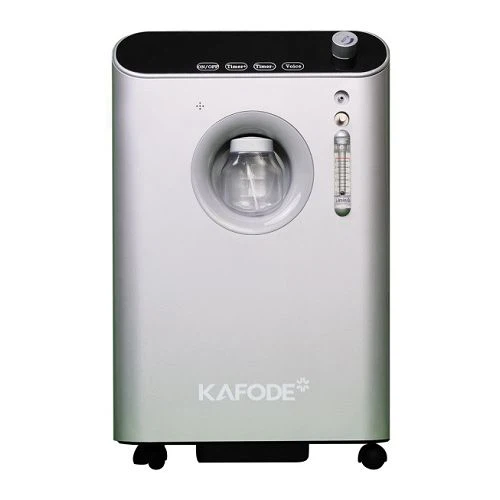
1. This product can be used for field work, especially in high altitude areas, and can be up to 4800 meters.
2. It consists of a compressor, filter, molecular sieve adsorption separation device, radiator, control system, flow control system, and so on.

Portable Oxygen Machine for Home
1. The oxygen flow could be adjusted from 1L-5L/min.
2. Although it is small in size, it has a very powerful kinetic energy and can provide you with a continuous flow of 5L of oxygen.
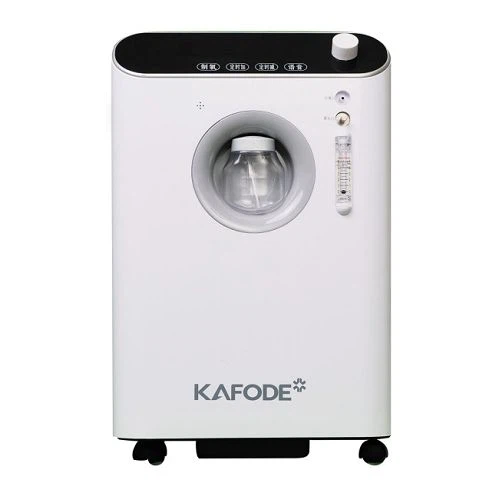
1. The KAFODE oxygen concentrator has FDA/CE approved certification.
2. Digital flowmeter adjustable. You can see the real-time oxygen concentration on the screen. The oxygen concentrator is reassuring to use.

1. KAFODE oxygen concentrator is a very cost-effective oxygen concentrator. Designed for the acquirement of high purity oxygen, it meets the needs of most customers to a great extent.
2. High bottom wheel design makes the machine convenient to move and carry.

1. Continuously provide 5L of medical-grade oxygen. It is equipped with a low oxygen concentration alarm function as standard. It is the first choice for the cost-effectiveness of safe oxygen therapy.
2. Advanced molecular sieve filling technology and cooling technology improve user experience.

KAFODE household oxygen generator is designed for the acquirement of high purity oxygen. Household oxygen concentrators have been widely used in some diseases as oxygen therapy. People can inhale oxygen at home. Oxygen concentrators have become the family partner for people's daily homecare.
What is Oxygen Concentrator 10 Liter Per Minute?
An oxygen concentrator 10 liter per minute is a type of medical device used for delivering oxygen to individuals with breathing-related disorders. Individuals whose oxygen concentration in their blood is lower than normal often require an oxygen concentrator to replace that oxygen.Oxygen concentrators filter surrounding air, compressing it to the required density and then delivering purified medical grade oxygen into a pulse-dose delivery system or continuous stream system to the patient.It's also equipped with special filters and sieve beds which help remove nitrogen from the air to ensure delivery of completely purified oxygen to the patient. These devices also come with an electronic user interface so you can adjust the levels of oxygen concentration and delivery settings. You then inhale the oxygen through the nasal cannula or special mask.

Oxygen concentrators can greatly improve the quality of life for those suffering from chronic respiratory ailments such as chronic obstructive pulmonary disorder (copd), asthma, or pulmonary fibrosis. These devices deliver a consistent flow of oxygen, which helps to relieve symptoms including shortness of breath, exhaustion, and hypoxia (low blood oxygen levels). Individuals with superior oxygenation may do everyday activities more easily, participate in social and physical activities, and enjoy a significant increase in overall energy levels and stamina. This increased capability may lead to a more satisfying and independent existence.
Oxygen concentrators are also useful during post-surgery recovery, particularly for patients who have had respiratory operations or have been immobilized for a lengthy period. Supplemental oxygen promotes speedier healing by ensuring that tissues have enough oxygen to repair and renew. It also helps to prevent complications like infections and pneumonia, both of which can be caused by low oxygen levels in the blood. By assisting the body's natural healing processes, oxygen concentrators promote a smoother and faster recovery, allowing patients to return to their daily routines sooner.
Oxygen concentrators considerably improve both physical and mental health. Physically, proper oxygen levels promote cellular metabolism, heart and lung function, and immune system functioning. This can lead to improved general health, fewer hospitalizations, and a lower risk of respiratory problems.
Working Principle of Oxygen Concentrator 10 Liter Per Minute
Oxygen concentrators are medical devices that assist people who have a low level of oxygen in their blood. They are powered by plugging the device into an electrical outlet or by using a battery. If a battery is used, then it will need to be charged by plugging it into an electrical outlet. Most concentrators also come with an adapter so you can use the device while you drive.
An oxygen concentrator receives air, purifies it, and then distributes the newly formed air. Before it goes into the concentrator, air is made up of 80 percent nitrogen and 20 percent oxygen. An oxygen concentrator uses that air then it comes out as 90 to 95 percent pure oxygen and 5 to 10 percent nitrogen. The nitrogen is separated to give the patient the highest dose of oxygen possible, as it is difficult to get that percentage of oxygen without the help of a medical device.
There are many parts that make up a portable oxygen concentrator. A compressor and sieve bed filter are a couple of the main parts. The compressor compresses air that is filtered into the concentrator, then delivers the air in a continuous stream.
The compressed air moves to the sieve bed filters. The sieve bed filter plays an important role, as it is the device that removes the nitrogen from the air. A material called zeolite, which is a six-sided microscopic cube with holes on each side, is in the sieve bed and this is what removes the nitrogen from the air.
Two sieve beds are located in the concentrator. After air is first compressed in the concentrator, it is forced into the first sieve bed. Oxygen is sent into the product tank. The first sieve bed then gets filled up with nitrogen. Next, the gas flow is switched, and the compressed air is moved to the second sieve bed. The first sieve bed's compressor is sent to the outside room, and the air from the product tank goes back into the first sieve bed.
The drop in pressure from the first sieve bed and the weakening of oxygen makes the zeolite release nitrogen. The oxygen and nitrogen come back together and are released in the room as regular air. The air is then compressed and sent to the second sieve where oxygen is moved through it to the product tank. The whole cycle starts over again with the first sieve after a few seconds.
Other important parts are the cooling system that keeps the portable oxygen concentrator from overheating, and the nasal cannula that delivers the purified oxygen after the oxygen has been passed through all the sieve bed filters. The cannula helps improve oxygen absorption.
Chronic obstructive pulmonary disease (copd): Copd affects around 16 million people, but an oxygen concentrator can be an effective treatment. When you have copd, you have chronic lung damage which makes it difficult for your lungs to absorb enough oxygen. As a result, you can have difficulty breathing, and oxygen therapy through a concentrator can help.
Cystic fibrosis: You inherit this life-threatening condition. It causes digestive system and lung damage. It's a rare condition that affects the body's cells responsible for producing mucus, sweat, and digestive juices. The fluids are changed which results in a stickier, thicker solution that plugs the ducts, tubes, and passageways of the individual infected.
Sleep apnea: Sleep apnea is a sleeping disorder that can be serious and cause the individual's breathing to sporadically stop and start during their sleep. Usually, treatment for this condition is continuous positive airway pressure (cpap), weight loss, and physical exercise, though some people with sleep apnea may require oxygen therapy.

How to Choose Oxygen Concentrator 10 Liter Per Minute
Easily one of the most important factors to consider when purchasing an oxygen concentrator is the flow rate capabilities. Flow rate refers to the rate at which oxygen is able to travel from the machine to the patient.
The ideal flow rate for a patient is typically advised by a doctor, so it is recommended that you discuss any potential oxygen concentrator purchases with your doctor beforehand.
Certain oxygen concentrators may have lower flow rates (in the range of 250 to 750 milliliters per minute) while others may offer higher flow rates (such as the 2 to 10 liters per minute range). Because not all oxygen concentrators provide the same range of flow rates, it is crucial that customers review the flow rate offered by a product before making a purchase.
One of the first and most important points to consider when looking into oxygen concentrators is how mobile you will need your concentrator to be. Oxygen concentrators can range significantly in size and portability.
Some units are high-powered products that are designed to work hard and provide higher flow rates, but are typically larger and heavier. These models are often designed to deliver higher flow rates, and are a great solution for in-home use.
A number of portable oxygen concentrators are available. Typically weighing between 5 to 10 pounds, these portable oxygen concentrators sacrifice higher flow rates in order to be significantly easier to transport and use while out and about. This makes them the perfect tool for patients who do not require high oxygen flow rates.
After being compressed and filtered within an oxygen concentrator, the oxygen that is delivered to the patient has a specific percentage of pure oxygen content. This value is referred to as the oxygen concentration. Oxygen concentration level is affected by the number and design of the filtration systems included in your oxygen concentrator, as well as the effectiveness of the concentrator's nitrogen-removing sieve system.
While the majority of products offer oxygen concentration values between 87 to 99 percent, it is important to note that this value can vary between oxygen concentrators. Typically, higher powered products that are designed for patients who require high oxygen flow rates are also capable of providing higher oxygen concentrations, whereas lightweight, portable oxygen concentrators for patients on the go do not usually require the highest oxygen concentrations.
While perhaps an obvious consideration, the amount of noise generated by an oxygen concentrator during its regular function is a commonly overlooked topic. Because of their wide range of constructions, layouts, and power levels, oxygen concentrators can vary in the amount of noise they generate while in operation.
Some smaller portable concentrator units are very quiet and unobtrusive. Other products, such as the high powered, high flow rate devices, can be a bit noisier while operating, as they both require higher power and have a higher rate of oxygen flowing from them.
Many products offer a variety of supplemental features or items that can help make the use of the oxygen concentrator easier or more effective. These additional features include carrying containers (boxes, bags), flow locking settings, easy to replace filter systems, oxygen concentrator accessories, and much more. Because the selection of additional features varies from product to product, it is worth reviewing what supplemental options are available with a concentrator before making a purchase.
Rinse and completely dry the side gross particle filter weekly/bi-weekly depending on the use of the machine.
Change internal hepa filter annually/bi-annually depending on the environment and use of he machine.
A preventative maintenance (pm) service is recommended by the manufacturer. This includes replacing the 9-volt internal alarm battery, and bacteria, internal hepa and gross particle filters. This procedure can only be completed by an authorized service center because it involves opening up the unit.
Remove unit from carry bag and lift up front face plate to access the gross particle filter. Rinse and completely dry weekly/bi-weekly depending on the use of the machine. Replace the inlet/herpa filter annually/bi-annually dependent upon use.
Rinse and completely dry the gross particle filter on the rear of the machine weekly/bi-weekly depending on the use of the machine. Replace internal hepa filter annually/bi-annually depending on the environment and the use of the machine.
Rinse and completely dry the gross particle filter located in the rear of the machine weekly/bi-weekly depending on the environment and the use of the machine.
Rinse and completely dry the screen filter located on the rear of the machine weekly/bi-weekly depending on the environment and the use of the machine.
Rinse and completely dry the gross particle filter located on the top where the patients hand goes. Perform this task/duty weekly/bi-weekly depending on the environment and the use of the machine.
7 Tips for Maintaining Oxygen Concentrator 10 Liter Per Minute
Maintain safe distances from open flames or fires
While sitting near a bonfire making smores is an enjoyable way to spend a summer night, there are certainly other ways to get your chocolate fix! Fire poses a hazard around oxygen. Always maintain at least two meters between a fire and your portable oxygen concentrator and accessories.
Use precaution when showering or bathing
For your safety, it's crucial that your portable oxygen concentrator does not get wet or be exposed to moist air. However, depending on your specific needs, you may find that you'll need to take a shower or bathe while using your unit.
A bathroom exhaust fan, extended tubing leading to your cannula and a detachable showerhead will all make this experience easier – and safer – for you.
Maintain safe distances from pools and other bodies of water – and keep an eye on the sky
As with the previous portable oxygen concentrator safety tip, it's important that you prevent your unit from getting wet. Hazards might include a hug from a grandkid straight out of the pool or being caught in a light summer shower while on an evening stroll.
If your portable oxygen concentrator gets wet, you must turn off the unit and unplug it immediately.
Avoid smoking while on or near a portable oxygen concentrator
Smoking during oxygen therapy is dangerous-and will likely result in injury
You must not allow smoking in the same room with the portable oxygen concentrator or where any oxygen carrying accessories are located.
If you intend to smoke, you must always turn the oxygen concentrator off, remove your cannula and move to a different room, leaving the unit behind. If you're unable to leave the room, you must wait at least 10 minutes after you've turned the portable oxygen concentrator off before smoking.
Avoid aerosol products
It is important that you avoid aerosol products while using your portable oxygen concentrator. This includes hairsprays, many body sprays, and even some air fresheners. Aerosol products are highly flammable.
Properly store your portable oxygen concentrator when you're on the go
Yes, your portable oxygen concentrator allows you to be mobile! But, whether you're traveling by plane, train or automobile, you must ensure your unit is securely stored. This will help you avoid injuring yourself or passengers, as well as prevent damage to the machine. Dropping a portable oxygen concentrator – or allowing it to fall off of a seat or overhead carrying cabinet – can void your warranty!
Do not block intake vents
One last portable oxygen concentrator safety tip to remember relates to the intake vents. As you can imagine, any blockage of the vents can inhibit performance, whether it's baggy clothing or a carry bag that's been shifted to an incorrect position on the machine. It's important to keep an eye on this as you use your unit day to day.
FAQ
Hot Tags: oxygen concentrator 10 liter per minute, China oxygen concentrator 10 liter per minute manufacturers, suppliers, factory,, Portable Oxygen Generator Machine, Small Oxygen Machine for Home, O2 Concentrator Machine, The Best Portable Oxygen Concentrator, Portable Oxygen for Home Use, Oxygen Machine Small
You Might Also Like


Send Inquiry
