


Products

Oxygen Concentrator Generator
An oxygen concentrator generator is a medical device that separates nitrogen from the air around you so you can breathe up to 95% pure oxygen.
Features
Reliable Product Quality
All our workers are experienced and professional, they have strong cohesion, sense of responsibility and craftsmanship, which guarantee good and stable quality.
Professional Technical Team
Our R&D Team has independent developing ability of the hard & software unit of the product.
Wide Product Range
We produce oxygen concentrators from 1LPM-10LPM, which have been widely applied in homecare, hospitals, clinics, beauty salon, sports and high altitude area etc.
Excellent Customer Service
Each product has been strictly Quality Checked in warehouse before packing. One year warranty is provided for all models. If any problem or damage caused by us, we will solve it for you within 48 hours.
What is Oxygen Concentrator Generator?
An oxygen concentrator generator is a medical device that separates nitrogen from the air around you so you can breathe up to 95% pure oxygen. You may need an oxygen concentrator if you have a condition that affects your breathing. Some oxygen concentrators are stationary and run on electricity. Others run on batteries and are portable.
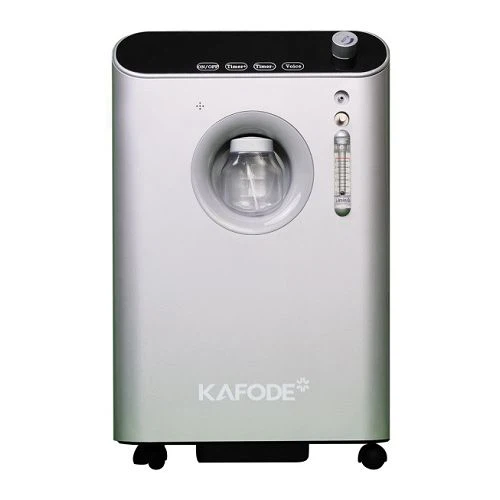
1. This product can be used for field work, especially in high altitude areas, and can be up to 4800 meters.
2. It consists of a compressor, filter, molecular sieve adsorption separation device, radiator, control system, flow control system, and so on.

Portable Oxygen Machine for Home
1. The oxygen flow could be adjusted from 1L-5L/min.
2. Although it is small in size, it has a very powerful kinetic energy and can provide you with a continuous flow of 5L of oxygen.
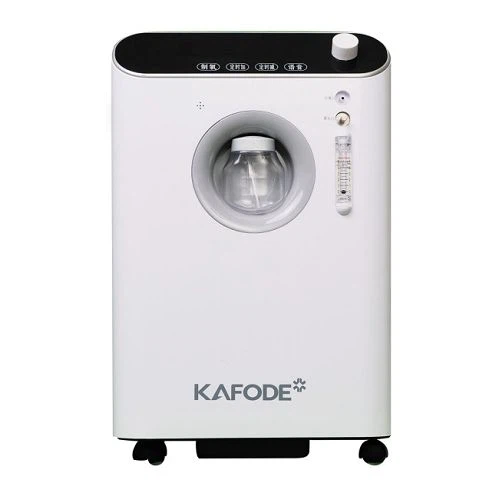
1. The KAFODE oxygen concentrator has FDA/CE approved certification.
2. Digital flowmeter adjustable. You can see the real-time oxygen concentration on the screen. The oxygen concentrator is reassuring to use.

1. KAFODE oxygen concentrator is a very cost-effective oxygen concentrator. Designed for the acquirement of high purity oxygen, it meets the needs of most customers to a great extent.
2. High bottom wheel design makes the machine convenient to move and carry.

1. Continuously provide 5L of medical-grade oxygen. It is equipped with a low oxygen concentration alarm function as standard. It is the first choice for the cost-effectiveness of safe oxygen therapy.
2. Advanced molecular sieve filling technology and cooling technology improve user experience.

KAFODE household oxygen generator is designed for the acquirement of high purity oxygen. Household oxygen concentrators have been widely used in some diseases as oxygen therapy. People can inhale oxygen at home. Oxygen concentrators have become the family partner for people's daily homecare.

1. Designed for the acquirement of high purity oxygen. Oxygen purity up to 96%.
2. O2 generator machine adopts pressure swing adsorption (PSA) physical technology to produce oxygen, it is safe and economical to use.

Portable Electric Oxygen Machine
1. KAFODE portable electric oxygen machine is designed for the acquirement of high purity oxygen for outdoor travel or activities.
2. Ultra quiet, small size and light weight.

1. KADODE oxygen concentrator 10 liter is designed for the acquirement of high purity oxygen.
2. With medical grade purity oxygen, better treatment effect for patients with pulmonary fibrosis.
3. Friendly design LCD display, simple operation and easy to read. Very convenient to use at home.
Advantages of Oxygen Concentrator Generator
Convenience
First and foremost, perhaps the most significant benefit of oxygen concentrator generators is their convenience. Unlike traditional oxygen tanks, which can be bulky, heavy, and difficult to transport, oxygen concentrator generators are designed with mobility in mind. They are lightweight, compact, and easy to carry, making them ideal for use both at home and on the go. This means that individuals who require oxygen therapy can maintain their independence and continue to enjoy their usual activities without the inconvenience and limitations of traditional oxygen tanks.
Efficiency
Another major benefit of oxygen concentrator generators is their efficiency. Traditional oxygen tanks contain a finite amount of oxygen, which must be refilled or replaced as it is used up. oxygen concentrator generators, on the other hand, work by extracting oxygen from the air around us and delivering it directly to the user. This means that there is no need to worry about running out of oxygen or arranging for deliveries or refills. Oxygen concentrator generators also tend to be more energy-efficient than traditional oxygen tanks, which can help to reduce overall costs.
Health Benefits
In addition to their convenience and efficiency, oxygen concentrator generators also offer a number of health benefits. Because they deliver oxygen directly to the user, they can help to improve overall respiratory function and reduce symptoms such as shortness of breath and fatigue. This can help individuals to remain active and engaged in their daily lives, which can have a positive impact on both physical and mental health.
Safety
Finally, oxygen concentrator generators are generally considered to be safer than traditional oxygen tanks. Because they do not contain compressed oxygen, there is no risk of explosion or fire. Additionally, oxygen concentrator generators are designed with safety features such as alarms and automatic shutdowns to ensure that they are operating safely and effectively. There are many compelling reasons to consider using a oxygen concentrator generator for oxygen therapy. From their convenience and efficiency to their health benefits and safety features, these devices offer a number of advantages over traditional oxygen tanks.
Stationary oxygen concentrator
A stationary oxygen concentrator weighs about 22 pounds (10 kilograms). It has handles to lift the device or wheels on the bottom to roll it. It runs on electricity, so you plug it into an electrical outlet in your home. In the event of a power outage, some brands of oxygen concentrators come with a battery backup or a backup compressed oxygen tank, so you can still receive oxygen therapy until your power comes back on.
Portable oxygen concentrator
Portable oxygen concentrators are smaller and lighter than stationary ones, allowing for easier activity or travel. But their oxygen output is usually lower than stationary oxygen concentrators. Most portable oxygen concentrators use rechargeable lithium-ion batteries.
Aquaculture
Demand for fish as a source of protein will grow continuously with the world's population. Whether the demand is met in open-sea net pens or on land with recirculating aquaculture system (RAS) technology, Oxygen concentrators are a perfect fit for all aquaculture operations. Oxygen concentrator generator is required to attain high-density stocking and achieve maximum profitability.
Medical
Maintain a secure and constant source of pure oxygen, produced directly at the hospital or care site, available when needed. The global demand for oxygen concentrators in the medical field is growing rapidly with the recent outbreak of the Coronavirus and is expected to keep growing. Oxygen concentrators are a highly reliable and economical solution for medical applications. Oxygen concentrator generators are safe, less expensive, and easy to maintain.
Wastewater Treatment
Maintaining a continuous supply of pure oxygen is essential to the control of dissolved oxygen levels and the elimination of nitrogen and phosphorus in wastewater treatment facilities. oxygen concentrator generators, automatically turn-down as load decreases, reducing overall energy consumption.
Water Treatment
The use of oxygen concentrators in the water treatment process helps increase the overall concentration of pure oxygen in the water, expelling impurities and contaminants. oxygen concentrator generators are portable and adaptable to your needs. Implementing our oxygen concentrators allows facilities to meet production demands without compromising on space or power consumption.
Mining
Dissolved oxygen is a critical component of the mining process. Injecting oxygen is often more economical than other process options. oxygen concentrator generators are a perfect solution for mining and mineral processing, and operations can scale up with additional units.
Pulp and Paper
On-site oxygen production is essential for the pulp and paper industry. As mining operations scale, multiple units can be incorporated to fit production needs, enabling efficiency and overall production quality.
How Many Watts Does Anoxygen Concentrator Generator Use?
The exact wattage used by anoxygen concentrator generator is largely dependent on the settings it is turned on and the overall size. If theoxygen concentrator generator has more space to collect air and purify it, it will consume more power. Likewise, if the dosage settings are higher, it is natural that more power has to be supplied to the concentrator.
Whether you are using a stationary model or a portable one also has an impact. This is because portable models tend to be smaller than stationary ones. Stationary concentrators use AC power. You can also move this kind ofoxygen concentrator generators from one room to another with the help of the wheels attached to it at the bottom in most models.
Stationaryoxygen concentrator generators are especially useful for people who need a constant flow of oxygen concentration of over 3 LPM. This kind of oxygen level can't be generated on DC power or battery. The juice required isn't something the battery of a car or a lithium battery model would be able to bear.
No need to worry about your electricity bill though. The overall consumption wouldn't be as bad as you're imagining. Additionally, as this is mainly a medical cost, some concessions can be made on the bill. For example, your electric company might be able to offer you a payment plan which would lower your monthly bill.
Your income level can also have an impact on your bill. For example, due to anoxygen concentrator generator being a medical expense, it can be written off as tax in some cases.
Oxygen Concentrator Generator Safety
Regular Maintenance and Inspections
Performing regular maintenance and inspections is crucial to preemptively identify and address any potential issues that could lead to equipment failure or safety hazards. Routine checks ensure that oxygen concentrator generators function correctly and efficiently, thereby minimizing the risk of oxygen leaks or contamination that could pose fire risks or threaten the purity of the oxygen produced.
Proper Ventilation
Ensuring proper ventilation in areas where oxygen concentrator generators are used or stored is critical to avoid the buildup of oxygen, which could create a highly flammable environment. Adequate ventilation systems help disperse oxygen concentrations in the air, significantly reducing the risk of ignition and ensuring the safety of the operational environment.
Use of Non-Flammable Materials
When near oxygen concentrator generators, it is essential to use materials that are non-flammable or highly resistant to fire. Since oxygen is a strong oxidizer that can rapidly enhance combustion, materials that are less likely to ignite, such as flame-retardant fabrics or metals, should be used to minimize fire hazards.
Training and Education
Providing comprehensive training and education for all personnel involved in the operation, maintenance, or even proximity to oxygen concentrator generators is crucial. This training should cover the correct operating procedures, emergency protocols, and the handling of oxygen safely. Educated individuals are more likely to recognize potential hazards and take appropriate action to prevent accidents.
Emergency Preparedness and Fire Safety Measures
Having an emergency plan in place, including fire safety measures, is essential when dealing with oxygen concentrator generators. This includes having appropriate fire extinguishers readily accessible, designing escape routes, and conducting regular fire drills. Understanding how to react swiftly and efficiently in the event of an emergency can significantly reduce the impact of any incidents that may occur.
The main part of an oxygen concentrator generator has to be the compressor and the sieve bed filter. The air enters into the concentrator and is compressed by the compressor. This compressed air is then transferred to the sieve bed filter through the surge tank.
The sieve bed filter is the most crucial component in the equation. This filter takes out the nitrogen from the air and leaves mostly oxygen behind. In a concentrator, there are a total of two sieve beds.
The first sieve bed is greeted with compressed air. From it, the oxygen-concentrated air is transferred to the product tank. As a result, only the nitrogen remains in the first sieve bed. Then, the concentrator switches the gas flow inside it, so the compressed air now moves to the second sieve bed. Now, the air that was in the product tank enters the first sieve bed again.
The air that moves to the product tank has a high oxygen concentration, and it is the air that the patient receives through a nasal cannula. As the cannula is directly connected to the patient, the oxygen absorbed by the patient happens smoothly.
Oxygen concentrator generators also come with a cooling system. Since the concentrators are using a large amount of power, the cooling system ensures it does not eventually overheat.

How to Choose the Best Oxygen Concentrator Generator?
The flow rate capability is a crucial factor in oxygen concentrator generators, as it determines the rate at which oxygen is supplied to the patient, measured in litres per minute (LPM). Typically, oxygen flow rates range from 3 to 10 LPM, and some devices can produce more than 10 LPM. Ensure that the device you choose has a working adjustable flow meter to customise the oxygen delivery to the user's specific needs. Patients with stable oxygen requirements may opt for lower-output devices, while those with severe respiratory distress or hospitalisation may need higher outputs.
The power consumption of an oxygen concentrator generator depends on its size and settings. Stationary oxygen concentrator generators, suitable for those requiring higher oxygen levels, are larger and heavier and do not run on batteries. Check the product packaging for specifications on amps and volts to estimate the impact on your electricity bill. For lower and stable oxygen requirements, consider concentrators operated on batteries. These are lighter, portable, and come with battery backup to ensure your safety during times of need.
A portable oxygen concentrator generator is ideal for individuals with an active lifestyle who are often away from home. These concentrators come with batteries and a plug-in option, providing freedom and flexibility to use during meetings or driving. They are compact, lightweight, and discreet, allowing you to participate in social events and maintain a good quality of life. The Philips Simplygo Mini oxygen concentrator generator is recommended for its portability features. Consider a non-portable oxygen concentrator generator with a higher capacity if your oxygen requirements are higher.
Oxygen concentrator generators filter and deliver oxygenated air to the user, providing a specific percentage of oxygen known as oxygen concentration. The concentration capacity varies based on each concentrator model's design, quality, and number of filtration systems. Typically, oxygen concentration levels range from 87-99 per cent, similar to oxygen cylinders. Patients with chronic respiratory issues require higher oxygen concentrations for breathing and should choose high-powered options capable of supplying elevated oxygen levels.
Considering the noise level of your oxygen concentrator generator is crucial, even though it's often overlooked. With technological advancements, modern concentrators typically produce sound levels ranging from 30-60 decibels, making them relatively quiet. The noise level of an oxygen concentrator generator depends on factors like power capacity, size, and weight. Devices with higher power and flow rates tend to generate more noise, while smaller, portable concentrators with lower power and flow rates are quieter and generate less heat.
How to Clean Your Home Oxygen Concentrator Generator
Clean the Outside of Your Home Oxygen Concentrator Generator
Like everything else in your home, your oxygen concentrator generator will naturally collect dirt, dust, and grime. Fortunately, it's easy to make it look new again. First, select a mild dish soap instead of a harsh detergent and combine that with warm water. Next, use a non-abrasive rag to wipe down the surface. Before you start, unplug the device from all power sources. When you're satisfied, dry off the unit with a lint-free towel or let it air dry before resuming use.
Clean the Particle Filter
The particle filter on your home oxygen concentrator generator is designed to capture large particles such as dirt, dust, pollen, mold, and other air pollutants. Since this filter is constantly converting the air around you into breathable oxygen, it can become quite dirty. To remedy this, we recommend cleaning the filter at least once a month. To clean the particle filter, turn off your concentrator and remove it per the manufacturer's instructions. Just as in the previous step, you'll need a mild dishwashing solution and a sink of warm water for cleaning. Submerge the filter into the water and scrub it with a washcloth until clean. Rinse it thoroughly and then let it dry completely before reattaching it to your unit.
Clean the Nasal Cannula
The nasal cannula is the tube that sits just inside your nostrils to deliver a steady stream of oxygen. To keep it free from bacteria and other germs, you should clean your nasal cannula at least once a week. In addition, we also recommend disinfecting your nasal prongs and oxygen mask every day. To clean the nasal cannula, soak it in warm, soapy water for at least ten minutes. Next, rinse the cannula with a solution of water and white vinegar (10 to 1). Finally, hang to air-dry before using it again.
Replace the Oxygen Tubing
Oxygen tubing connects your nasal cannula to your concentrator. There's no need to clean these tubes, but regularly replace them for optimal use. You should do this at least once every 6-12 months. Additionally, be sure to inspect for cracks or other signs of wear and tear daily.
Our Factory

Zhejiang Xikang Medical Equipment Co., Ltd is a leading manufacturer specialized in oxygen solutions. Our R&D Team has independent developing ability of the hard & software unit of the product. We produce oxygen concentrators from 1LPM-10LPM, which have been widely applied in homecare, hospitals, clinics, beauty salon, sports and high altitude area etc.
Ultimate FAQ Guide to Oxygen Concentrator Generator
Hot Tags: oxygen concentrator generator, China oxygen concentrator generator manufacturers, suppliers, factory,, Oxygen Generator, Portable Oxygen Concentrator 5 Liters Per Minute, Household Oxygen Generator, Oxygen Concentrator 10 Liter Per Minute, Oxygen Machine Concentrator, Oxygen Concentrator Device
You Might Also Like


Send Inquiry
