


Products

Oxygen Making Machine For Home
Oxygen making machine for home are for home use because they can only be plugged into an ac outlet and cannot run on battery or inside a car with a dc adapter.
Features
Company Profile
Zhejiang Xikang Medical Equipment Co., Ltd is a leading manufacturer specialized in oxygen solutions. Our R&D Team has independent developing ability of the hard & software unit of the product. We produce oxygen concentrators from 1LPM-10LPM, which have been widely applied in homecare, hospitals, clinics, beauty salon, sports and high altitude area etc. Our factory is located at beautiful Wenling City, which only 3 hours away from Ningbo Port, convenient to export to any countries. We have passed ISO9001 quality certification. The annual production capacity is around 30,000 oxygen generators. All our workers are experienced and professional, they have strong cohesion, sense of responsibility and craftsmanship, which guarantee good and stable quality.
Why Choose Us
Our factory
Our factory is located at beautiful wenling city, which only 3 hours away from ningbo port, convenient to export to any countries. We have passed iso9001 quality certification.
One-stop service
We provide customs documentations, shipping logistics, insurances, quality inspections, form a, form e certifications and product warranties.
Oem/odm capability
We have the capability to design and manufacture a wide range of new items according to the buyers' requirements.
Quality items with warranty
All the items that we provide have ce and fda approval. We also provide a one-year warranty for most of our products.

Portable Oxygen Machine for Home Use
1.High definition LED screen and super clear reading.
2.With external humidifier bottle design, convenient to cleaned.
3.The oxygen concentrator will provide the function of oxygen and atomization. One machine, two functions.

Oxygen Concentrator 10 Liter Per Minute
1. Designed for the acquirement of high purity oxygen.
2. Oxygen concentrator has voltage alarm function, optional oxygen density indicator, current running time, total running hours, timing function, sound and light alarm function of power off, and pressure alarm function.

Oxygen Making Machine for Home
1. Designed for the acquirement of high purity oxygen.
2. The adsorption system is controlled by time and pressure, and the parameters can be adjusted according to the maintenance service to keep the performance of the oxygen concentrator in optimal condition.
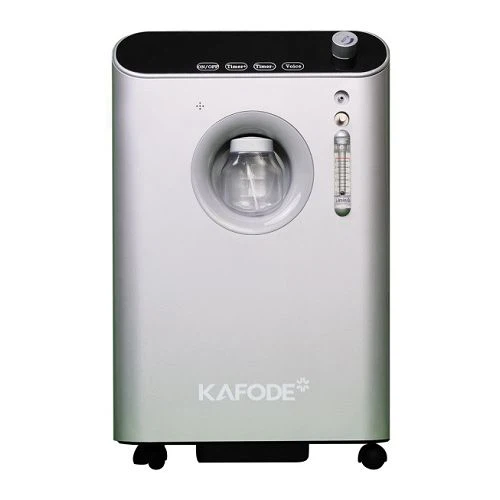
1. This product can be used for field work, especially in high altitude areas, and can be up to 4800 meters.
2. It consists of a compressor, filter, molecular sieve adsorption separation device, radiator, control system, flow control system, and so on.

Portable Oxygen Machine for Home
1. The oxygen flow could be adjusted from 1L-5L/min.
2. Although it is small in size, it has a very powerful kinetic energy and can provide you with a continuous flow of 5L of oxygen.
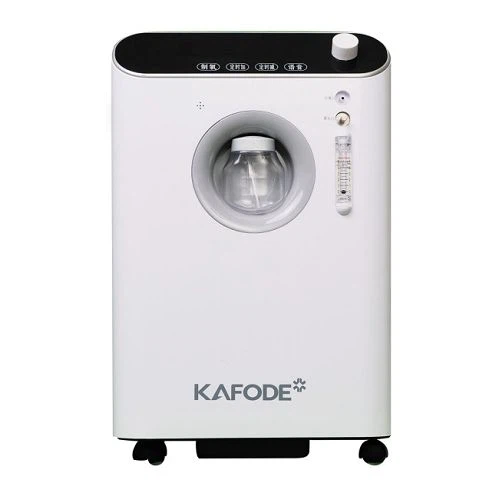
1. The KAFODE oxygen concentrator has FDA/CE approved certification.
2. Digital flowmeter adjustable. You can see the real-time oxygen concentration on the screen. The oxygen concentrator is reassuring to use.

1. KAFODE oxygen concentrator is a very cost-effective oxygen concentrator. Designed for the acquirement of high purity oxygen, it meets the needs of most customers to a great extent.
2. High bottom wheel design makes the machine convenient to move and carry.

1. Continuously provide 5L of medical-grade oxygen. It is equipped with a low oxygen concentration alarm function as standard. It is the first choice for the cost-effectiveness of safe oxygen therapy.
2. Advanced molecular sieve filling technology and cooling technology improve user experience.

KAFODE household oxygen generator is designed for the acquirement of high purity oxygen. Household oxygen concentrators have been widely used in some diseases as oxygen therapy. People can inhale oxygen at home. Oxygen concentrators have become the family partner for people's daily homecare.
What is Oxygen Making Machine for Home?
Oxygen making machine for home are for home use because they can only be plugged into an ac outlet and cannot run on battery or inside a car with a dc adapter. They're also usually larger than portable concentrators, so you wouldn't want to have to transport them around. Even so, stationary oxygen units are still necessary and make the lives of oxygen therapy users easier.
Advantages of Oxygen Making Machine for Home
Improved convenience and comfort
Owning an oxygen concentrator at home eliminates the need for frequent visits to healthcare facilities to refill oxygen tanks. With a reliable supply of concentrated oxygen readily available, individuals can enjoy the convenience of accessing their therapy at any time from the comfort of their own home. This ensures uninterrupted oxygen delivery, especially during sleep or rest periods.
Enhanced mobility and independence
Unlike traditional oxygen tanks, which can be heavy and cumbersome, oxygen making machine for home are often designed to be portable. This allows individuals to move around freely within their homes, performing daily activities without the limitations posed by tank-based systems. Whether it's moving from room to room or engaging in light household chores, a home oxygen concentrator provides greater mobility and independence.


Peace of mind
With a oxygen making machine for home, individuals can experience a sense of security and peace of mind. The continuous supply of oxygen ensures that patients do not have to worry about running out or experiencing interruptions in their therapy. This alleviates anxiety and allows individuals to focus on their well-being and daily activities with confidence.
Cost-effectiveness
In the long run, owning an oxygen making machine for home use can be more cost-effective compared to relying solely on oxygen tank rentals or refills. While the upfront cost of purchasing a concentrator may seem higher, it eliminates recurring expenses associated with rental fees and tank refills. Moreover, the cost of ownership becomes even more advantageous over time, making it a practical investment for those requiring long-term oxygen therapy.
Features of Oxygen Making Machine for Home
Size and design
Despite its ability to deliver high volumes of oxygen, the oxygen making machine for home is designed to be compact and easy to handle. It measures 13.5 inches wide, 12 inches deep, and 24.5 inches high and weighs only 42 pounds, making it one of the lightest high-capacity concentrators on the market. This design ensures that it can be easily integrated into a home setting without taking up excessive space.
Oxygen output and flow
The oxygen making machine for home can deliver oxygen from 2 to 10 lpm (liters per minute), providing a flexible solution for patients with varying oxygen therapy needs. It maintains oxygen purity levels between 87% to 96% across all flow settings, ensuring high-quality oxygen delivery that meets the stringent demands of continuous home therapy.
Technological advancements
Equipped with a standard oxygen sensing device (osd), the oxygen making machine for home continuously monitors oxygen output, enhancing patient safety and ensuring the efficacy of oxygen delivery. This feature is particularly important for patients who rely on precise oxygen therapy over extended periods.
Safety and reliability
The concentrator is built with patient safety in mind, featuring a recessed humidifier nook and protected cannula fitting to prevent accidental damage when moving the unit. The inclusion of the osd not only improves safety but also boosts the reliability of the therapy by ensuring consistent oxygen purity and delivery.
Convenience and operation
This model is engineered for ease of use, with patient controls that are accessible and simple to operate. It features bright led indicators that can be seen from across the room, making it easy for users to check the machine's status at a glance. Additionally, the concentrator includes an auxiliary port for transfilling oxygen cylinders, compatible with most cylinder transfill systems, enhancing its utility in home healthcare environments.
Durability and maintenance
Oxygen making machine for home are known for their durability, and the model is no exception. It includes a three-year warranty, ensuring long-term reliability and performance. The design also focuses on minimizing maintenance requirements, allowing users to concentrate on their therapy without worrying about frequent equipment upkeep.
The principle of the oxygen machine is to use the air separation technology, first compress the air with high density and then use the difference in the condensation point of each component in the air to separate the gas and liquid at a certain temperature, and then further distill it. The working principle of the oxygen making machine for home: Using molecular sieve physical adsorption and desorption technology. The oxygen generator is filled with molecular sieves, which can absorb nitrogen in the air when pressurized, and the remaining unabsorbed oxygen is collected and purified. Become high-purity oxygen. The molecular sieve discharges the adsorbed nitrogen back into the ambient air during decompression, and can absorb nitrogen and produce oxygen during the next pressurization. The whole process is a periodic dynamic cycle process, and the molecular sieve does not consume.
How to Choose Oxygen Making Machine for Home
Portability: While oxygen making machine for home are typically larger than portable models, some offer features like wheels and handles for easier movement within the home. Portability can be essential if you need to move the concentrator between rooms.
Oxygen output: Different models provide varying levels of oxygen flow, measured in liters per minute (lpm). Ensure the concentrator meets your prescribed oxygen requirements. High-output models are available for patients with higher oxygen needs.
Noise level: Look for a concentrator with a low noise output, especially if you'll be using it while sleeping. Noise levels can vary significantly between models, so it's important to choose one that won't disturb your rest.
Energy consumption: Consider the energy efficiency of the device to manage electricity costs. More efficient models can save on utility bills over time.
Ease of use: User-friendly controls and clear displays can make operation simpler, particularly for elderly patients. Features like digital interfaces and remote controls can enhance usability.
Maintenance requirements: Some models require more frequent maintenance than others. Check the maintenance schedule and ensure it's manageable for you or your caregiver.
Warranty and support: A good warranty and reliable customer support can provide peace of mind. Check the manufacturer's warranty and the availability of service centers.
Supplemental oxygen is used to treat a variety of medical conditions not only in the hospital but at home as well. Oxygen concentrators - along with liquid oxygen tanks and oxygen cylinders - are one of the most common sources of oxygen therapy.
Oxygen concentrators are designed to be safe and effective. However, if you are using an oxygen concentrator, it's important to understand the potential dangers of these medical devices. Doing so will allow you to take the proper oxygen concentrator safety precautions.
Below you'll find an overview of some of the most commonly encountered oxygen concentrator dangers. We have also included a simple list of dos and don'ts to help keep you from harm, as well as the answers to a few common oxygen concentrator questions such as, "can you use oxygen in the shower?"
Are oxygen concentrators dangerous?
Oxygen concentrators are designed for at-home use. However, they can still be dangerous if they aren't used correctly. Prominent oxygen concentrator dangers include:
Domestic fires
Oxygen is an extremely flammable gas and can easily start a fire. Domestic fires caused by oxygen can cause property damage, personal injury and even fatalities.
Bodily injury
Oxygen concentrators and tanks are highly pressurised. This can cause them to become dangerous projectiles if damaged.
Infection
Improper use of oxygen equipment can lead to illness or infection. It's important to change your nasal cannula and tubing according to the manufacturer's instructions. Practising proper hand hygiene can also help prevent infection and illness.
Oxygen toxicity or hypoxia
Too much oxygen or too little oxygen can be incredibly dangerous and even deadly. Supplemental oxygen is a prescription. Always follow your doctor's instructions regarding how much oxygen to use and how often.
Oxygen concentrator safety precautions: Dos and don'ts of at-home oxygen safety
General safety precautions
Do let your insurance providers know that you will be using supplemental oxygen at home. This will help ensure you are covered in the event of an accident.
Do use proper tubing and check it regularly for signs of wear and tear.
Do clean your tubing regularly and replace it as needed.
Do not smoke or allow others around you to smoke during oxygen therapy. Smoking with an oxygen concentrator is one of the most dangerous things you can do and will likely result in serious injury.
Do not use oxygen equipment near open flames. Maintain at least two metres between your concentrator and any heat source.
Do not use aerosol products (e.G. Hairspray, air fresheners, etc.) around your concentrator. These products are often flammable.
Do not use petroleum-based self-care products around your concentrator. This includes petroleum-based lip care products and petroleum jellies.
Do not adjust the concentration of oxygen you are receiving without first speaking to your doctor.
7 Tips for Living Comfortably With Oxygen at Home


Talk with family and friends in advance
The first time your lung doctor brings up the topic of oxygen therapy, go home and have a conversation with family members about how this will affect your life. Let them know the oxygen will allow you to stay active and continue to do the things you enjoy doing with them.
Understand your concentrator's maintenance requirements
Many people receive an oxygen concentrator for home oxygen therapy. This machine can reside in a discreet corner and deliver oxygen to your nose through a long tube that can reach throughout the home.When the home oxygen supplier sets up your concentrator, talk to them about required concentrator maintenance. For example, concentrators with a filter require a periodic filter change.
Replace your tubing and cannulas on a schedule
Supplemental oxygen therapy uses two separate pieces of tubing: A long tube that connects to the concentrator or tank, and a nasal cannula that attaches to the tubing and delivers the oxygen to your nostrils. Ask your oxygen supplier how often to change the main tubing and the cannula.
Keep extra tubing and cannulas close at hand
Always keep extra oxygen tubing and cannulas within easy reach in case either item becomes damaged during use. It's not difficult to accidentally run a vacuum cleaner over a section of tubing, for example, and cut it.Having extra tubing nearby will help you avoid a disruption of oxygen flow.
Have a plan for power outages
If your home loses electricity, your oxygen concentrator may not work. To avoid losing your oxygen supply during a power outage, write down an action plan. Your plan should include switching immediately to a portable oxygen tank until your power is restored.
Clean the humidifier often
If you use a humidifier bottle with your oxygen concentrator, clean it very frequently. Bacteria can build up rapidly in humidifier attachments.Remove the bottle and wash it with soap and water weekly.
Practice fire safety
Oxygen itself is not flammable or explosive, but oxygen concentrators and tanks both infuse the environment with oxygen. They can cause fires to burn much more rapidly than normal. Keep oxygen equipment such as tanks away from any source of open flame.
How to Clean Oxygen Making Machine for Home
Start with the outside
If you want to totally clean your concentrator, then you need to start with the outside of your machine. Unplug it at least ten minutes before cleaning so it has time to cool, and while it cools, wet a lint-free cloth with warm, soapy water. You can use any mild soap, but mild dish soap is best. Wring the cloth out and wipe down the entire outside of your concentrator. If there's any soap left behind, wipe it down again with another damp cloth that doesn't have soap on it. Then, dry the concentrator with a lint-free cloth or allow it to air dry.
Clean the filter next
After cleaning the outside of your machine, you can clean the filter inside it. Your machine should come with manufacturer instructions explaining how to remove the filter from your machine. If it didn't, order another set of instructions and wait until they arrive before attempting to clean the filter.
Don't forget the accessories
All oxygen users know that there are various accessories that come with your oxygen concentrator and also that it's important to keep them clean. The cleanliness of your accessories affects the environment that the concentrator is in, and a dirty environment can shorten the lifespan of your filter and concentrator. Cleaning your accessories and your equipment regularly will help everything last longer.
Cleaning schedule
Now that you know how to clean your concentrator and related equipment, you need to know how frequently to perform these cleanings. Some of the pieces are on a different cleaning schedule, but if you write them down, you'll be able to easily keep track of what needs to be cleaned and when.
The interior filters require the least frequent cleaning. You should clean these at least once a month, ideally twice a month, especially if you use your concentrator in a dusty environment, which is not recommended.
Wipe down the outside of your machine and clean the exterior filters every week. You may want to sanitize your portable oxygen concentrator more frequently since it travels with you to so many different environments.
Sanitize your nasal cannula every day by wiping it down with an alcohol wipe while the machine is off. Perform the deep clean we described above once a week and replace the cannula and tubing once a month if you are on continuous oxygen use. Intermittent oxygen users can replace their cannula and tubing every two months.
FAQ
Hot Tags: oxygen making machine for home, China oxygen making machine for home manufacturers, suppliers, factory,, Oxygen Mini Machine, Best Home Oxygen Concentrator, Small Oxygen Generator, Oxygen Machine for Home, Oxygen Concentrator Device, Portable Oxygen Concentrator 5 Liters Per Minute
You Might Also Like


Send Inquiry
